
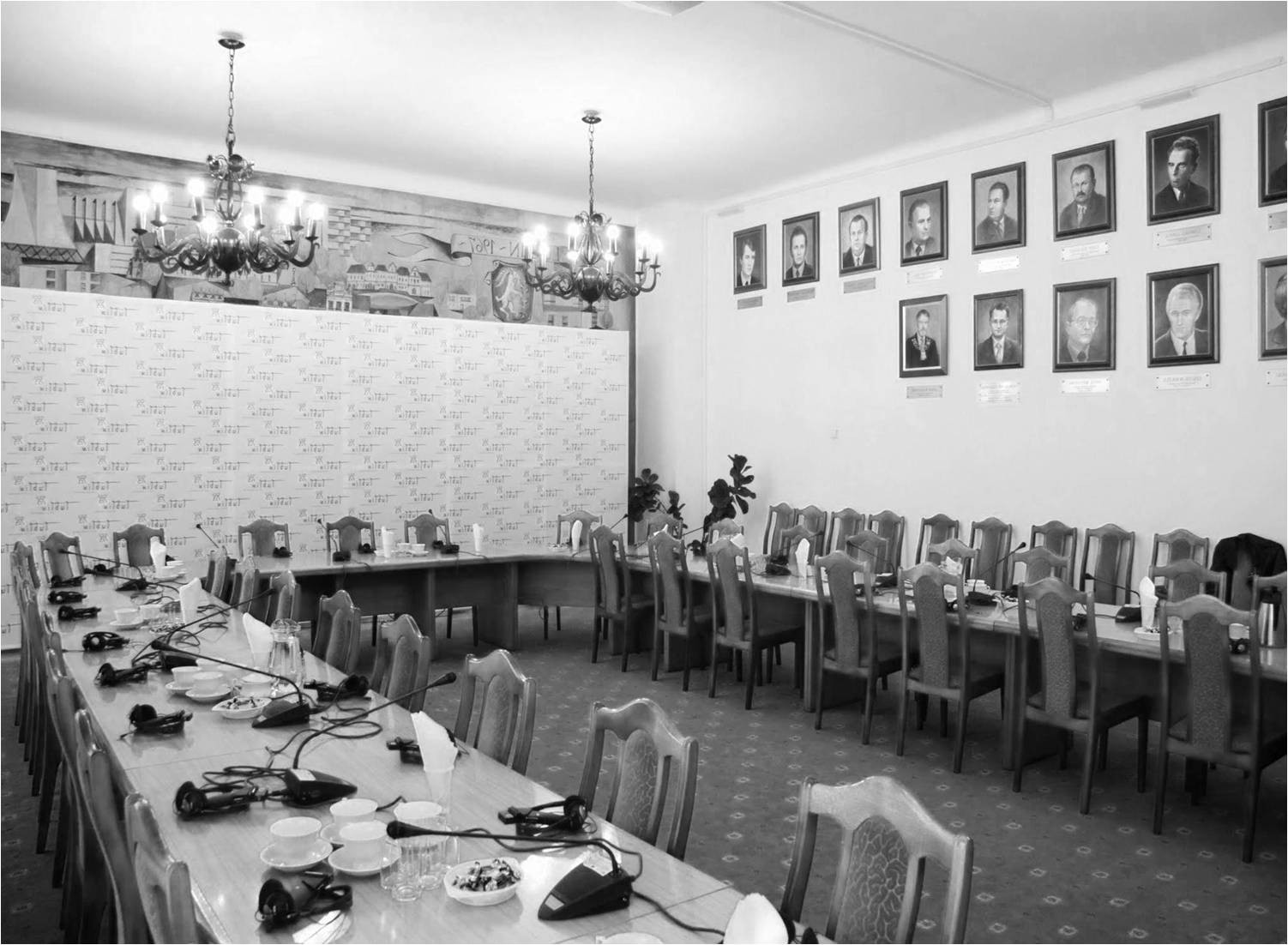
In August 2013, a quiet conference room inside Lublin City Hall became the setting for a landmark conversation – one that brought together policymakers, law enforcement, prosecutors, civil society organizations, and representatives of African communities from across Poland. Convened and moderated by Niyi Aderibigbe, President of Diaspora Events, the roundtable focused on Hate Crimes Affecting People of African Descent, a sensitive but increasingly urgent issue in a diversifying Polish society.
The gathering was notable not only for the diversity of voices in the room, but also for the institutions represented. Officials from the Polish Ministry of the Interior, Municipal Police Headquarters, Regional Prosecutor’s Office, and Lublin City Council sat alongside community leaders, academics, NGOs, and representatives of African diaspora organizations. The aim was clear: to move beyond isolated complaints and towards structured dialogue, improved reporting, and long-term collaboration.
A Platform for Honest Exchange
Opening the session, Aderibigbe emphasized that hate crimes are not merely individual incidents but systemic challenges that require coordinated institutional responses. Participants shared lived experiences, policy perspectives, and operational realities. Community representatives spoke candidly about under-reporting, mistrust, and everyday discrimination, while authorities outlined existing legal frameworks, reporting mechanisms, and institutional constraints.
Officials from the Ministry of the Interior explained Poland’s monitoring role on hate crimes, including cooperation with the OSCE-ODIHR, while police representatives highlighted recent efforts to improve multilingual access, training, and outreach. Prosecutors underscored the importance of formal reporting and evidence in enabling effective legal action. At times, the exchanges were tense but they were also constructive, grounded in a shared recognition that dialogue itself was a critical first step.
From Dialogue to Recommendations
What distinguished the Lublin roundtable from many symbolic forums was its outcomes. The discussions concluded with concrete recommendations addressed to government bodies, law enforcement agencies, prosecutors, and civil society organizations. These included calls for improved data collection, targeted training on hate crimes, awareness campaigns, community outreach in accessible languages, and sustained collaboration with NGOs and minority groups.
Importantly, the meeting ended not with speeches alone, but with networking, relationship-building, and a shared understanding that long-term solutions require continuity – not one-off events.
Beyond Advocacy: The Business and Policy Value of Dialogue
While the roundtable was rooted in human rights advocacy, it also highlighted an often-overlooked dimension: the economic and professional opportunities such multi-stakeholder engagements create.
Events like this generate demand for:
For municipalities and national institutions, such forums help de-risk policy implementation by improving trust, communication, and early warning mechanisms. For consultants, NGOs, and social enterprises, they open pathways to longer-term contracts, funded projects, and cross-sector collaborations – turning dialogue into sustainable action.
A Model Worth Replicating
More than a decade later, the 2013 Lublin roundtable stands as an early example of how structured dialogue can intersect policy, social cohesion, and economic opportunity. By convening institutions and communities in one room, Diaspora Events demonstrated how trust-building initiatives can evolve into platforms for reform, professional services, and innovation.
As European cities continue to grapple with diversity, inclusion, and security challenges, the lesson from Lublin remains relevant: when dialogue is well-designed, evidence-based, and inclusive, it does more than address social issues – it creates value, strengthens institutions, and opens doors to new forms of collaboration and business.